
Smart chargers fitted across Cornwall by our own electricians
CCS Heating & Renewables is a Cornwall-based EV charger installer fitting smart home chargers across Redruth, Camborne, Truro, Falmouth, St Austell, Newquay, Penzance and Bodmin. A dedicated home EV charger is faster, safer, and smarter than charging from a standard plug socket. A 7kW home charger fully charges most electric cars in 4–8 hours compared to 24+ hours on a 3-pin plug, and comes with built-in safety features including earth fault protection and weatherproofing. All new home EV chargers must be smart chargers by law (since June 2022), capable of scheduling and responding to grid demand signals. The myenergi Zappi is our most popular choice for homes with solar panels — its ECO and ECO+ modes automatically detect surplus solar generation and divert it to charge your car instead of exporting at low rates. A 4kW solar array provides approximately 1,020 kWh/yr of free EV charging via Zappi Eco+ mode — around 4,000 miles of driving at zero cost. For homes without solar, smart chargers like the Ohme integrate directly with Octopus Intelligent to charge at as little as 7–8p/kWh overnight.
Key Benefits
Benefits of a Home EV Charger
Fast, Safe Charging
7kW home charging delivers a full charge in 4–8 hours — vastly better than a 3-pin plug. Purpose-built wiring, earth fault protection, and IP-rated outdoor design.
Solar Integration with Zappi
The Zappi automatically charges from surplus solar in ECO+ mode — completely free charging on sunny days. Saves approximately £250–£300/yr for a 4kW solar owner.
Which Smart Charger? Honest Comparison
myenergi Zappi (tethered or untethered, built-in solar diversion, ~£1,000–£1,200) — best for solar homes. Ohme Home Pro (tethered, no solar divert but deepest Octopus Intelligent tariff integration, ~£850–£1,000) — best for cheap overnight charging. Easee One (untethered, load balancing, ~£850–£1,000) — best for multi-car and future-proofing. Hypervolt (tethered, app-controlled solar matching, ~£900–£1,100) — sleek design, good solar option. Wallbox Pulsar Plus (compact tethered, smart-tariff ready, ~£900–£1,050) — best where space is tight. We fit whichever genuinely suits your car, tariff and whether you have solar.
Tariff Optimisation
Smart chargers like the Ohme integrate with Octopus Intelligent Go to charge automatically at 7–8p/kWh overnight, vs the standard 24p+ rate. Save hundreds per year.
OZEV Grant for Flats & Renters
The EV Chargepoint Grant (up to £500) remains available for flat owners, renters, and landlords (from April 2026). Homeowners in houses are not currently eligible.
App Control & Scheduling
Monitor charging sessions, set charge targets by time, cost, or battery level, and view energy costs from your smartphone.
Quick Installation
Most home EV charger installations take 2–4 hours for standard installs. Includes the charger, dedicated circuit, and Part P electrical certification.
Our Process
How It Works
Free Survey
We visit your property to assess your heating needs, measure heat loss, and discuss the best options for your home.
Design & Quote
We design a bespoke system, identify all eligible grants including the Boiler Upgrade Scheme (up to £9,000), and provide a transparent fixed-price quote.
Installation
Our MCS certified engineers install your system cleanly and efficiently, typically within 2–4 days, with minimal disruption to your home.
Aftercare
Full system handover, MCS certification, warranty registration, BUS grant application completion, and ongoing support when you need it.
EV Charger Costs
A home EV charger installation typically costs £850–£1,300 fully installed, depending on the charger model and cable run length. Indicative installed prices: Zappi (with solar diversion) ~£1,000–£1,200; Ohme Home Pro ~£850–£1,000; Easee One ~£850–£1,000; Hypervolt ~£900–£1,100; Wallbox Pulsar Plus ~£900–£1,050. A long or complex cable run from your consumer unit adds £100–£300. Installation takes 2–4 hours standard (4–8 hours for complex cable runs) and includes the charger unit, dedicated circuit from your consumer unit, all wiring, and Part P electrical certification. The OZEV EV Chargepoint Grant (up to £500) is available for flat owners, renters, and landlords — not for homeowners in standard houses. For a full itemised breakdown of Zappi charger installation cost — unit, labour, cable-run extras and real Cornwall pricing — see our dedicated Zappi cost guide. We advise on the best charger for your setup, especially if you have or are planning solar panels.
3 kW or 7 kW: which home charger is right?
Almost every home install in Cornwall is a 7.4 kW unit — a dedicated 32 A single-phase circuit — and it is the right answer for most households. The comparison that matters is overnight range, not headline power. At 3.5 miles per kWh, typical for a mid-size EV in mixed driving, a 7.4 kW charger returns roughly 25 miles of range per hour on charge; a 3 kW unit returns around 10. Over a seven-hour off-peak window that is the difference between about 175 miles and about 70.
22 kW chargers need a three-phase supply. Three-phase is uncommon in Cornish housing stock outside farms, converted commercial buildings and some newer developments, and the DNO will not simply upgrade a domestic single-phase supply on request. If a quote offers you 22 kW at home, ask which phase arrangement your property actually has before you accept it.
Is there still a government grant for a home charger?
Yes, but probably not for you if you own a house with a driveway. The old Electric Vehicle Homecharge Scheme closed to homeowners of single-unit properties in March 2022. What remains, administered by OZEV, is £500 per socket — the rate for every OZEV chargepoint grant since 1 April 2026 — and it is aimed at:
- people who rent their home, and flat owner-occupiers;
- landlords fitting chargepoints at residential or commercial property;
- households without any off-street parking, through the on-street residential scheme run with your local authority;
- businesses, under the Workplace Charging Scheme — £500 per socket, up to 40 sockets.
Grant-funded work has to be carried out by an OZEV-authorised installer and claimed by the installer, not the customer. We handle the voucher paperwork where a property qualifies, and we will tell you plainly when it does not rather than quote a price that assumes a grant you cannot have.
Can any electrician install an EV charger?
Legally, domestic electrical work must comply with BS 7671 and be notified under Part P of the Building Regulations — so a competent registered electrician can fit a chargepoint. In practice an EV circuit has requirements a general electrician may not meet every week:
- Section 722 of BS 7671 governs EV charging installations, including earthing arrangements. On the PME supplies common across Cornwall, that normally means a chargepoint with integral open-PEN detection, or a separate earth electrode.
- The Electric Vehicles (Smart Charge Points) Regulations have required smart functionality on new home and workplace chargepoints since 2022, including default off-peak charging hours and a randomised start delay. A non-compliant unit cannot lawfully be sold for domestic installation.
- Load assessment. A 32 A charger on top of an electric shower, an immersion heater and an induction hob can exceed the main fuse. Either the design accounts for that with load management, or the house trips on a cold evening.
- Grant work requires OZEV authorisation, which a general electrician will not usually hold.
Charging from your own solar
If you already have panels, charger choice stops being about the socket and starts being about diversion. A Zappi can charge from surplus generation only, or top up from the grid when the sun is not covering it; an Ohme leans on tariff integration instead, pulling your car charge into the cheapest half-hourly slots. Which is better depends on whether you are optimising for self-consumption or for pence per kWh — and if you have a battery, on how you want the two to share the surplus. We will walk through your own generation figures rather than guess. See solar panel installation in Cornwall and battery storage for how the three fit together.
What we fit, and what it costs installed
| Charger | Power | Solar diversion | Typical installed |
|---|---|---|---|
| Zappi | 7.4 kW | Yes — eco and eco+ modes | £1,000–£1,200 |
| Ohme Home Pro | 7.4 kW | Via tariff integration | £850–£1,000 |
| Easee One | 7.4 kW | With compatible metering | £850–£1,000 |
| Hypervolt | 7.4 kW | Yes | £900–£1,100 |
| Wallbox Pulsar Plus | 7.4 kW | With Power Boost | £900–£1,050 |
A long or awkward cable run adds £100–£300. Every price includes the unit, a dedicated circuit from the consumer unit, all wiring and the Part P certification.
Trusted Partners
Brands We Install
What We Install
Products We Use
We only install products we trust. Click any product below to see full specifications and why we recommend it.
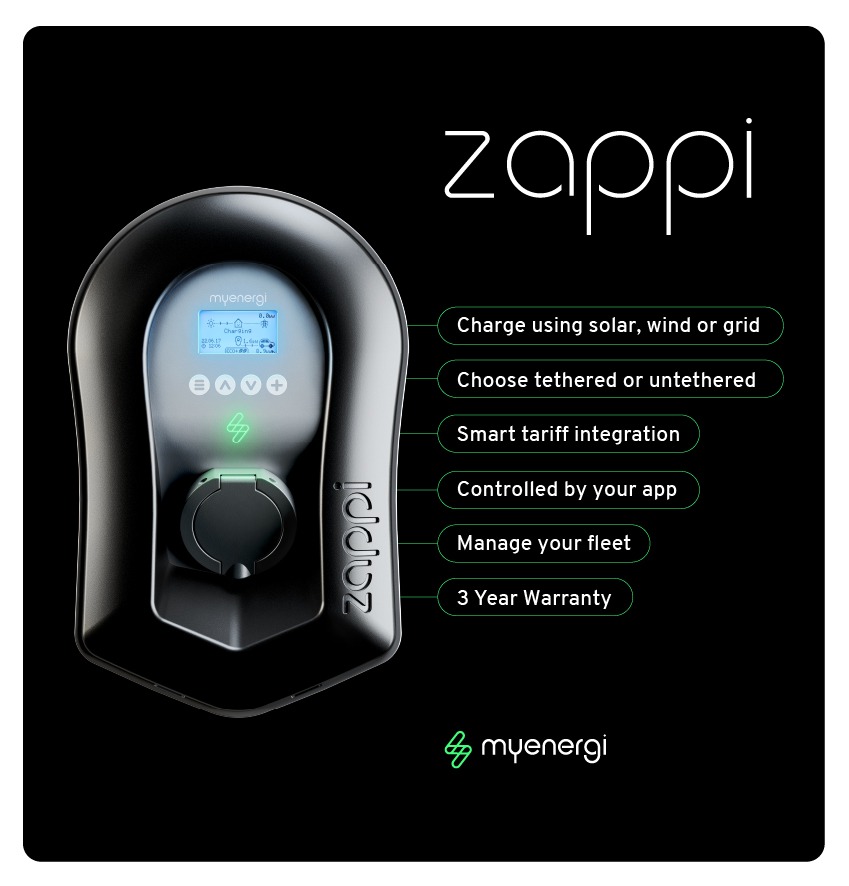
myenergi Zappi
The solar-smart EV charger that charges your car from excess solar generation
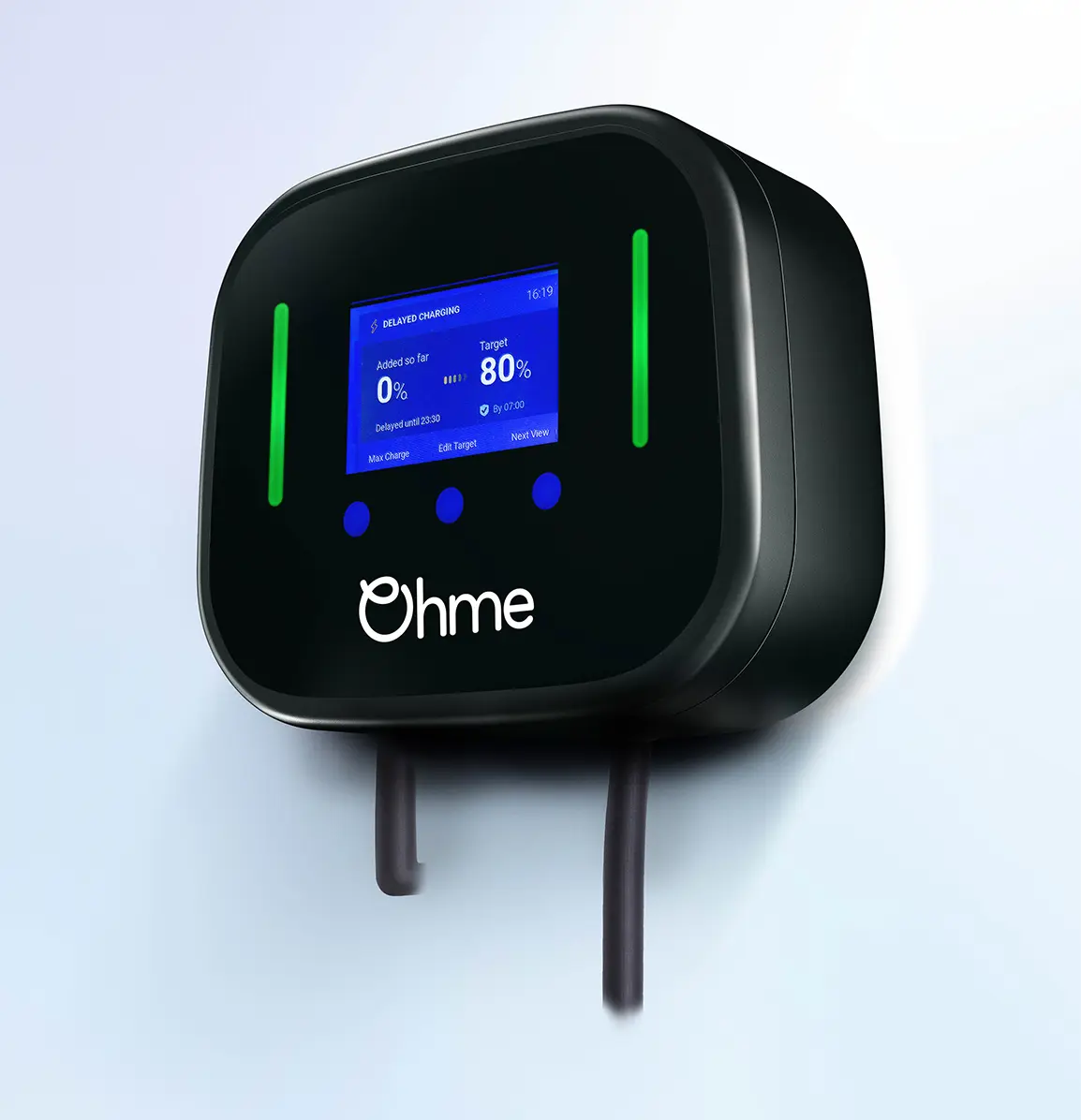
Ohme Home Pro
4G-connected smart charger with built-in tariff integration and solar boost
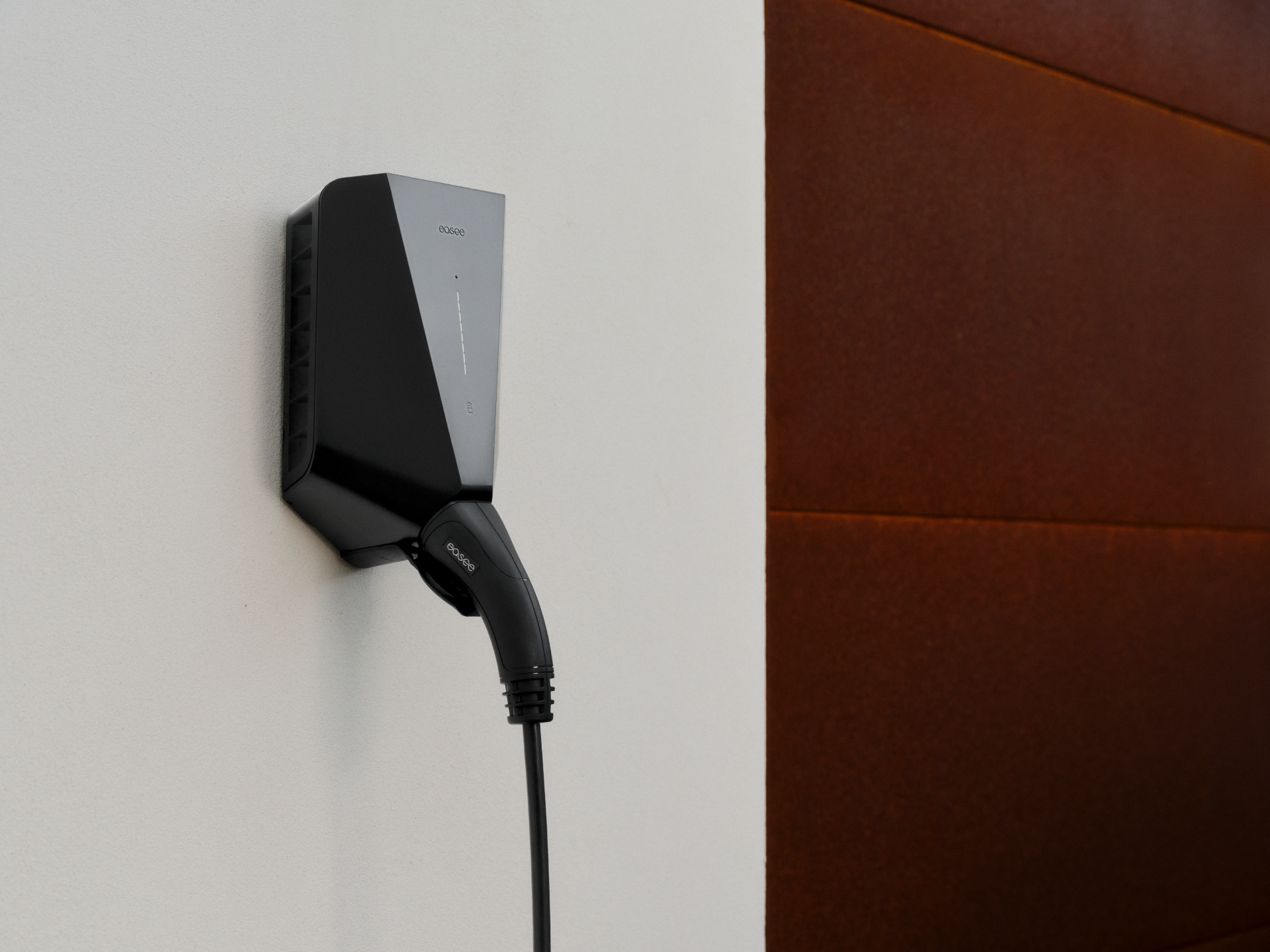
Easee One
Scandinavian-designed smart charger with dynamic load balancing and no cable tray required
Areas We Cover for EV Chargers
We install ev chargers across Cornwall. Click your area for local information and a free quote.
Pair Your EV Chargers with Another Service
Many of our customers save more by combining services. Here's what works best with a EV Chargers.
Solar Panels Make Your EV Effectively Free to Run
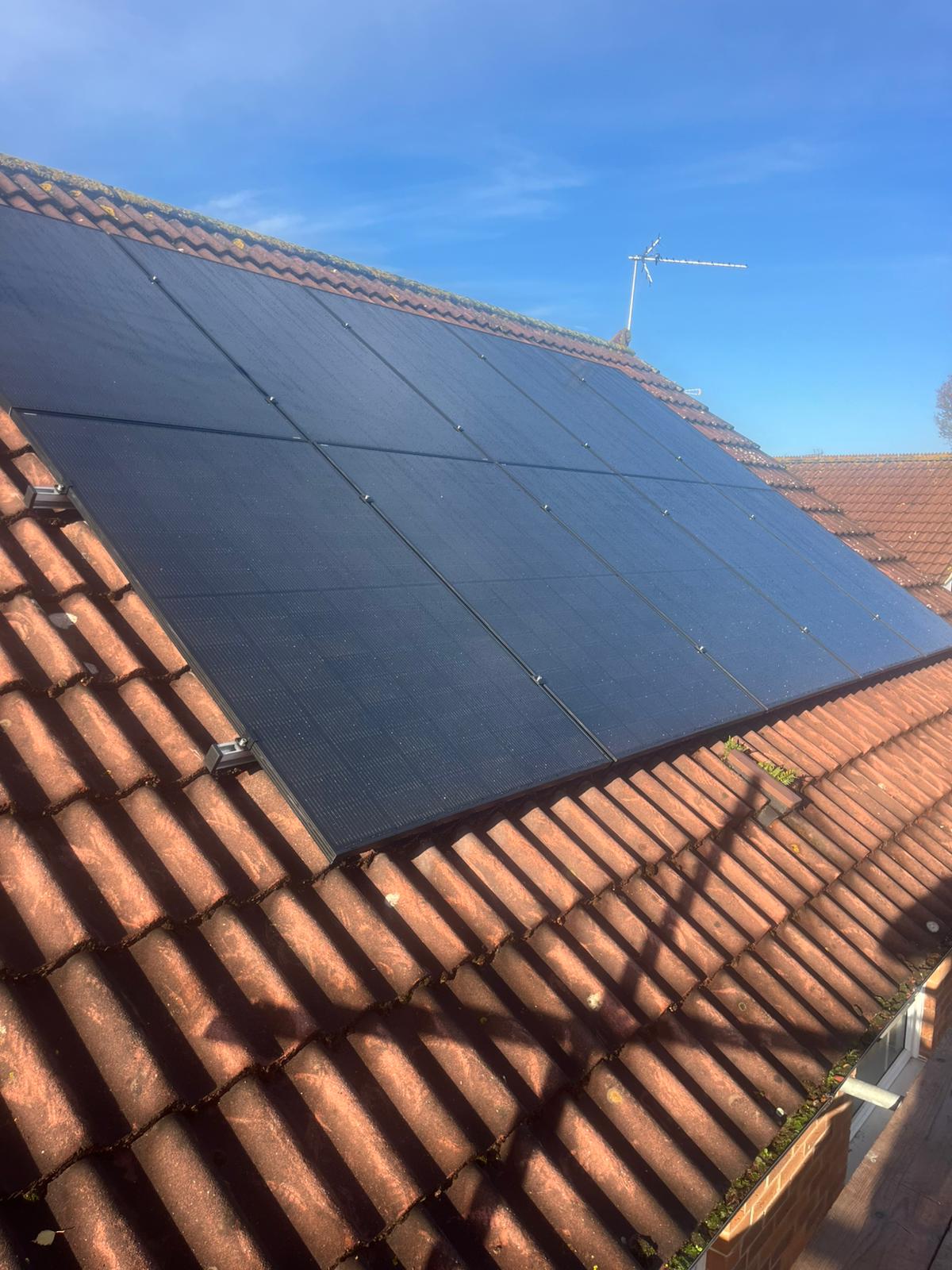
Pair your EV charger with solar panels and a Zappi smart charger to charge your car on electricity you generate yourself. On a sunny day, that's effectively free miles.
Want a bundled quote for multiple services? Contact us for a combined survey.
Our Work
Recent EV Chargers Projects
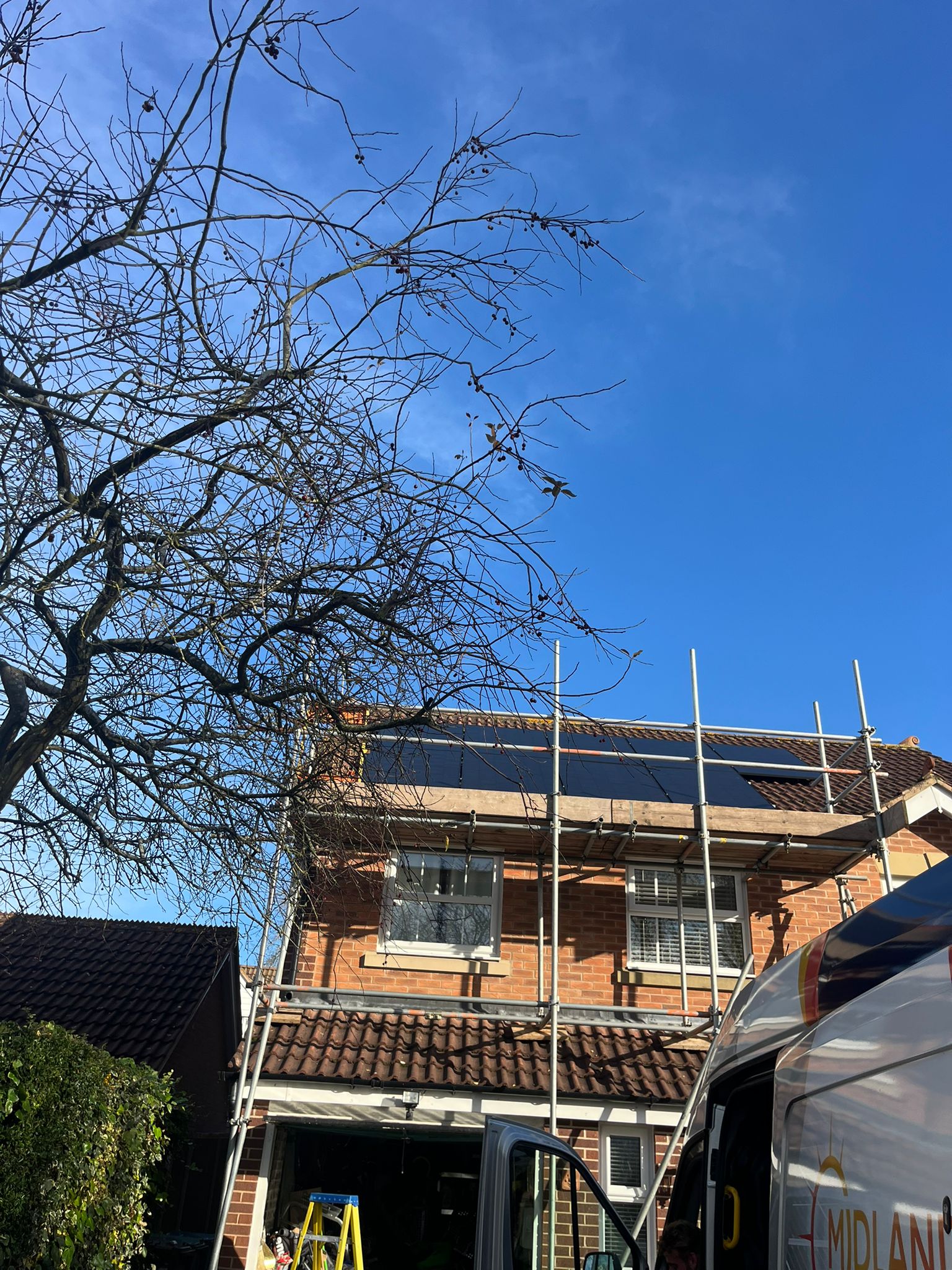
Real installations by our team across Cornwall — challenge, solution, and outcome.
Common Questions
Frequently Asked Questions
01 Can I still get a government grant for a home EV charger in Cornwall?
02 Is a 7kW charger worth it over a 3kW one?
03 How much does a home EV charger cost to install?
04 Can I charge my electric car using solar panels?
05 What electricity tariff should I use with a home EV charger?
From Our Blog
Zappi Charger Installation Cost in 2026 (Real UK & Cornwall Prices)
A fully installed myenergi Zappi v2.1 typically costs £1,000–£1,200 in 2026 for a standard single-oc...
8 min read
EV ChargersZappi vs Ohme vs Easee: Which Smart EV Charger Should You Buy?
Three smart EV chargers dominate Cornwall installs: Zappi, Ohme Home Pro and Easee One. Zappi wins f...
6 min read
Solar PVHow to Charge Your Electric Car Using Solar Panels
Pairing solar panels with a smart EV charger like the Zappi means you can charge your electric car o...
7 min read